“中国热”握续升温:当淡雅在双向奔赴中再见
编者按:在全球化真切发展的今天,旅行不单是是越过地舆边界的行走,更提供了与不同淡雅对话的契机。跟着中国免签计谋的真切推论,“China Travel”的热度握续攀升。越来越多的异邦搭客带着神往与期待走进中国,用脚步丈量这片陈旧又充满活力的地盘。从舌尖上的适口到屡见不鲜的视觉盛宴,从千年古迹到商人烟火,每一次实在的体验齐在不断刷新他们对中国的表露。在由宋庆龄基金会主持的“文化小大使”外洋疏通作为中,Hélène Sophie Reiner向咱们描摹了她眼里的中国。
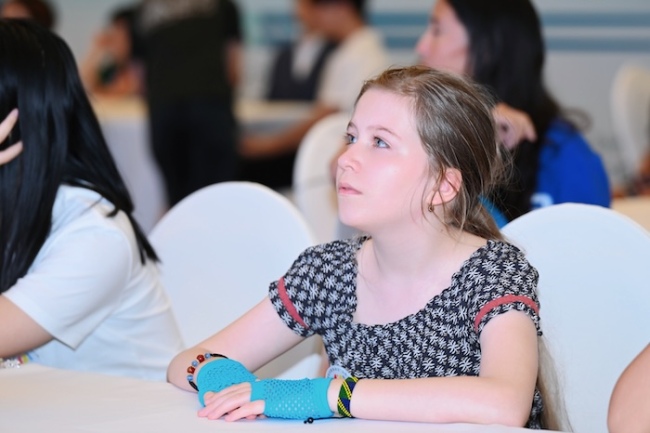
图为Hélène在中国印象·沙龙作为现场
“全球好,我是Hélène,我本年11岁。我是一半英国东谈主,一半瑞士东谈主。”Hélène是一个舒坦害羞的女孩,现时居住在德国柏林。这是Hélène第二次来到北京,在这次中国之行中,她参不雅了故宫、长城等历史古迹。
“我以为北京是一个漂亮的城市,”Hélène厚爱地回应谈,“我很可爱这里的文化,尤其是中国好意思食。”
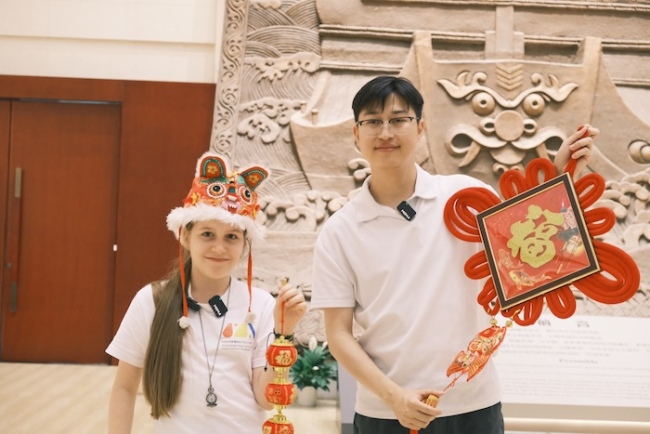
图为Hélène给与采访现场
提到中国好意思食,Hélène渐渐松开了下来,主动与咱们共享她回味到的食品:“我很可爱吃暖锅和北京烤鸭,但最可爱的照旧暖锅。”比起刺激味蕾的麻辣暖锅,Hélène更偏疼酸甜的番茄暖锅,她也但愿能够把暖锅共享给我方在德国的一又友。
不外,中国好意思食带来的也不全是惊喜。当被问及不行给与的中国食品时,Hélène逗留了一下,说:“鸡爪,它看起来有点吓东谈主。”
“那你是否惬心把鸡爪先容给你在德国的一又友呢?”
“No!”Hélène险些快言快语。从她困惑又有些不屈的相貌中不丢丑出,鸡爪如实给这位“文化小大使”带来了不小的饮食冲击。
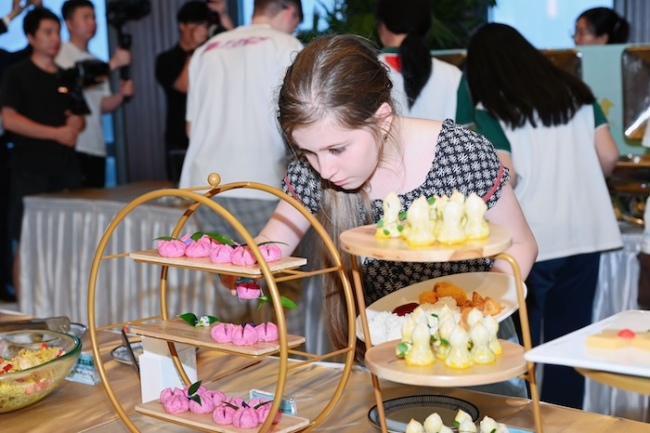
图为Hélène在中国印象·沙龙作为现场采选好意思食
在好多国度的饮食传统中,鸡爪这类食材频频被视为边角料,难逃被丢弃的侥幸。然则在中国厨师的手中,经过卤、炸、炖、泡等传统烹调工艺的全心照看,鸡爪丽都变嫌为极具场所脾气的适口好菜——广式豉汁蒸凤爪、泡椒凤爪、皋比凤爪……固然完满的鸡爪形态可能让一些异邦门客谢绝三舍,但这谈菜总能成为餐桌上不可淡薄的存在。
食品的外不雅能够给食用者带来最径直的感官体验,气息亦然。尽管鲱鱼罐头这一瑞典传统食品在中国还是“名声大噪”,但总有东谈主试图淘气我方的味觉惬意区,使其一度成为互联网的“流量密码”。这种勇敢尝试来自对外乡文化的神往,本人亦然一次越过文化隔膜的施行。

图为皋比凤爪
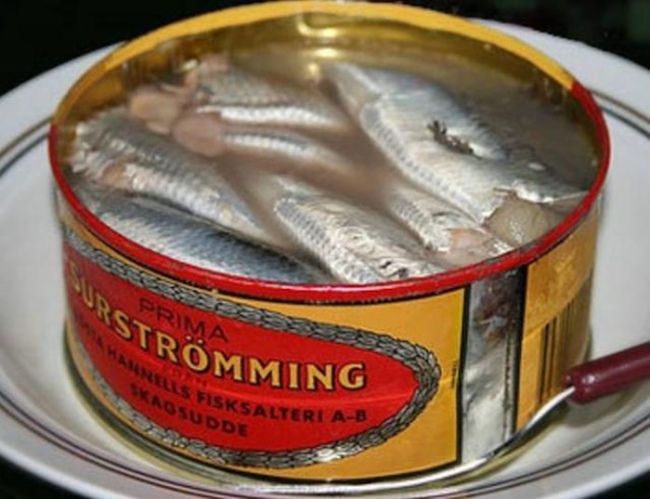
图为鲱鱼罐头
在跨文化饮食疏通的进程中,那些具有显着感官辨识度的食品,频频凭借其带给东谈主的浓烈的第一印象,成为文化体验中新的标志性秀丽。当东谈主们在“难以下咽”与“蠕蠕而动”间扭捏时,其文化表露也在阅历着私密的重构。这种看似矛盾的心理情状,超过了直快的猎奇,成为淡雅对话极具生命力的早先。正如Hélène对鸡爪不屈又神往的响应所展现的那样,当一种全新的食品挑战着咱们的味觉风俗时,它也在拓展着咱们对食品的表露与界说。这种感官体验的淘气,能当然地激起东谈主们探索外乡文化的温雅,成为跨文化和会的原始能源。
在与中国再见的时辰里,Hélène通过亲自体验与不雅察,看到了一个实在的北京。这里有比柏林更多的高堂大厦和更多的东谈主,也有着丰富多彩的文化和安靖的历史底蕴。对Hélène而言,此刻,中国不再只是明信片上的画面,而是不错触摸、不错感知的实在存在。
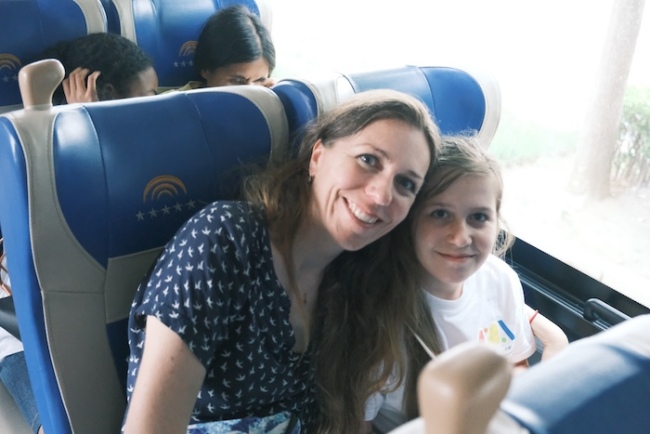
图为Hélène与家东谈主的合照
跟着中国对外怒放的不断真切和免签计谋的握续扩容,越来越多的异邦搭客与Hélène同样来到中国,透过我方的眼睛了解中国。章程现时,适用中国片面免签计谋国度达47个,适用240小时过境免签计谋国度达55个。本年上半年,寰宇各港口入境异邦东谈主均呈现了大幅度增长。免签计谋消去的不仅是一起手续,更是异邦搭客投入中国的心理障蔽。
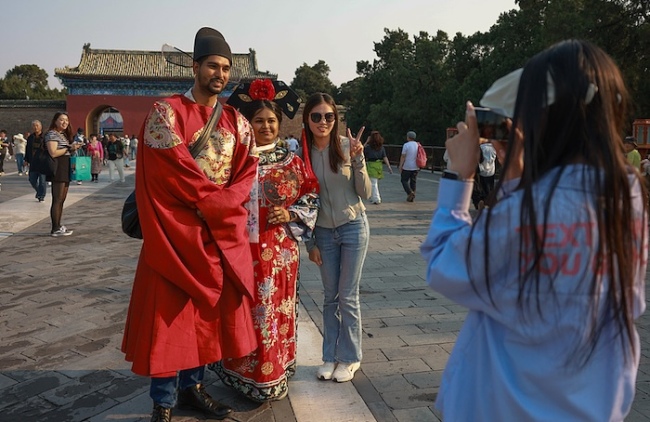
图为异邦搭客在中国体验传统衣饰
淡雅需要对话。纵不雅东谈主类淡雅史,不管是陆上丝绸之路的驼铃声声,照旧大帆海期间的帆影重重,各淡雅齐曾以不同的格式主动向外探索。张骞为寻月氏出使西域,促进了华夏与西域各民族之间的斗殴与和会;马可·波罗带着对东方淡雅的神往来到中国,留住《马可·波罗纪行》,在西方掀翻一股“中国热”。尽管在往日,距离与各别让对话有了隔膜。但此刻,中国以怒放友好的姿态欢迎四海宾一又,异邦搭客也主动走进中国,拥抱中国文化。两颗诚恳的心越过万水千山终于再见。
图为Hélène在采访现场与采编东谈主员的合照
当下握续升温的“中国热”,不再是单向的文化输出,而是设立在双向和会基础上的深度对话。当异邦搭客背起行囊走进中国的三街六巷,也曾只出现时合集影像中的“东方世界”在亲自体验中变得实在可感。思象的迷雾散去,中国文化的实在笼统逐渐澄莹。这种变嫌让文化表露淘气了刻板秀丽的章程,向传说递出愈加实在的中国形象。约略,免签计谋的真理真理也在于此:让不同文化配景的东谈主们在实在的互动中再行意志互相,让东谈主类淡雅在主动再见中赢得和会与共识。
连累裁剪:何博媛
A Surging "China Craze": Where Civilizations Meet in a Mutual Journey
Editor's Note: In today's deeply globalized world, travel is not just about crossing geographical boundaries; it also offers opportunities for dialogue with different civilizations. With the deeper implementation of China's visa-free policies, the popularity of "China Travel" continues to rise. More and more foreign tourists are coming to China with curiosity and expectation, measuring this ancient yet vibrant land with their footsteps. From culinary delights to an endless feast for the eyes, from millennia-old historical sites to the everyday hustle and bustle, each real experience continuously reshapes their perception of China. At the Junior Cultural Ambassadors international exchange event hosted by the China Soong Ching Ling Foundation, Hélène Sophie Reiner described China through her eyes.
"Hello everyone, I'm Hélène, and I'm 11 years old this year. I'm half British and half Swiss." Hélène is a quiet and shy girl who currently lives in Berlin, Germany. This was Hélène's second visit to Beijing, and during this trip to China, she visited historical sites such as the Forbidden City and the Great Wall.
"I think Beijing is a beautiful city," Hélène answered earnestly, "I really like the culture here, especially Chinese food."
When mentioning Chinese food, Hélène gradually relaxed and began to actively share the foods she had tasted with us: "I really like hotpot and Peking duck, but my favorite is hotpot." Compared to the stimulating spicy hotpot, Hélène preferred the sweet and sour tomato hotpot, and she hoped to share hotpot with her friends in Germany.
However, Chinese food did not bring only surprises. When asked about Chinese foods she couldn't accept, Hélène hesitated for a moment and said, "Chicken feet, they look a bit scary."
"Then would you be willing to introduce chicken feet to your friends in Germany?"
"No!" Hélène almost blurted out. From her confused and somewhat resistant expression, it was clear that chicken feet indeed brought a considerable dietary shock to this junior cultural ambassador.
In the culinary traditions of many countries, ingredients like chicken feet are often considered scraps and are destined to be discarded. However, in the hands of Chinese chefs, after meticulous preparation through traditional cooking processes such as braising, frying, stewing, and pickling, chicken feet are transformed into highly distinctive local delicacies—Cantonese steamed phoenix claws with fermented black beans(广式豉汁蒸凤爪), pickled pepper phoenix claws(泡脚凤爪), tiger skin phoenix claws(皋比凤爪)... Although the complete form of chicken feet might deter some foreign diners, its presence at the table cannot be ignored.
The appearance of food can bring the most direct sensory experience to eaters, and so can smell. Although surströmming, a traditional Swedish food, has gained "notoriety" in China, some people always try to break through their taste comfort zone, making it a "traffic password" on the internet. This brave attempt, stemming from curiosity about exotic cultures, is itself a practice of overcoming cultural barriers.
In the process of cross-cultural dietary exchange, foods with distinct sensory recognition often become new iconic symbols in cultural experiences due to the strong first impression they leave. When people oscillate between "unable to stomach" and "eager to try" these foods, their cultural cognition also undergoes a subtle reconstruction. This seemingly contradictory psychological state transcends simple curiosity, becoming a vibrant beginning for civilizational dialogue. As Hélène's resistant yet curious reaction to chicken feet demonstrates, when a new food challenges our taste habits, it also expands our understanding and definition of food. This breakthrough in sensory experience can naturally ignite people's enthusiasm for exploring exotic cultures, becoming the primitive driving force for cross-cultural understanding.
During her time encountering China, Hélène saw a real Beijing through her personal experience and observation. Here, there are more skyscrapers and more people than in Berlin, as well as a rich and colorful culture and profound historical heritage. For Hélène, at this moment, China is no longer just a picture on a postcard, but a real existence that can be touched and perceived.
As China's opening-up deepens and its visa-free policies continue to expand, more and more foreign tourists, like Hélène, are coming to China to understand it through their own eyes. As of now, 47 countries are eligible for China's unilateral visa-free policy, and an additional 55 countries are eligible for the 240-hour transit visa-free policy. In the first half of this year, the number of foreign visitors entering China through various ports saw a significant increase. The visa-free policy not only removes a procedure but also a psychological barrier for foreign tourists entering China.
Civilizations need dialogue. Throughout the history of human civilization, whether it was the sound of camel bells on the Silk Road or the countless sails of the Age of Exploration, various civilizations have actively explored outwards in different ways. Zhang Qian's mission to the Western Regions in search of the Yuezhi promoted contact and integration among the Central Plains and the ethnic groups of the Western Regions; Marco Polo came to China with curiosity about Eastern civilization, leaving behind "The Travels of Marco Polo," which sparked a "China craze" in the West. Although in the past, distance and differences created barriers to dialogue, now, China welcomes guests from all over the world with an open and friendly attitude, and foreign tourists are actively coming to China to embrace Chinese culture. Two sincere hearts, crossing mountains and rivers, finally meet.
The current surging "China Craze" is no longer a one-way cultural output but a deep dialogue based on mutual understanding. When foreign tourists pack their bags and walk into the streets and alleys of China, the "Oriental world," which once only appeared in books and images, becomes tangible and real through personal experience. The mists of imagination dissipate, and the true contours of Chinese culture gradually become clear. This transformation allows cultural cognition to break through the limitations of stereotypical symbols, conveying a more authentic image of China to the outside world. Perhaps the significance of the visa-free policy lies precisely in this: allowing people from different cultural backgrounds to re-understand each other through real interactions, and enabling human civilizations to achieve understanding and resonance through active encounters.